
Why Every Business Needs a Professional Website in 2026
Your storefront is no longer on a street, it's on a screen. If you don't have a professional website, you don't just miss customers, you lose them to someone who does.

Why your website matters in 2026
Let's be direct for a moment. If someone hears about your business today, whether through a referral, a social media post, or a passing conversation, the very first thing they will do is Google you. And if they can't find you, or worse, find something embarrassing, you've already lost them.
A professional website isn't a luxury anymore. It's the entry point to every relationship your business will ever have with a new customer. In 2026, the question isn't "should we have a website?", it's "is our website good enough to compete?"
In this post, we'll walk you through exactly why a professional website matters, what it should actually do for your business, and what happens to businesses that keep delaying it.
81%
of consumers research online before buying
75%
judge credibility by website design
3 sec
before a visitor decides to stay or leave
46%
of Google searches seek local businesses
Your website is your first impression, and your last chance
Think about the last time you checked out a restaurant, a lawyer, a software company, or even a local plumber. You probably opened their website before calling them. You formed an opinion in about three seconds, sometimes less.
That split-second judgment is based entirely on visual design, loading speed, and how clearly the business communicates what it does. A poorly made website says, without a single word, "we don't take ourselves seriously enough to invest in this." And if a business doesn't take itself seriously, why should the customer?
“You never get a second chance to make a first impression.”
A professional website, built with intention and care, communicates something very different. It says: we are good at what we do, we respect your time, and you can trust us.
Your customers are searching for you right now
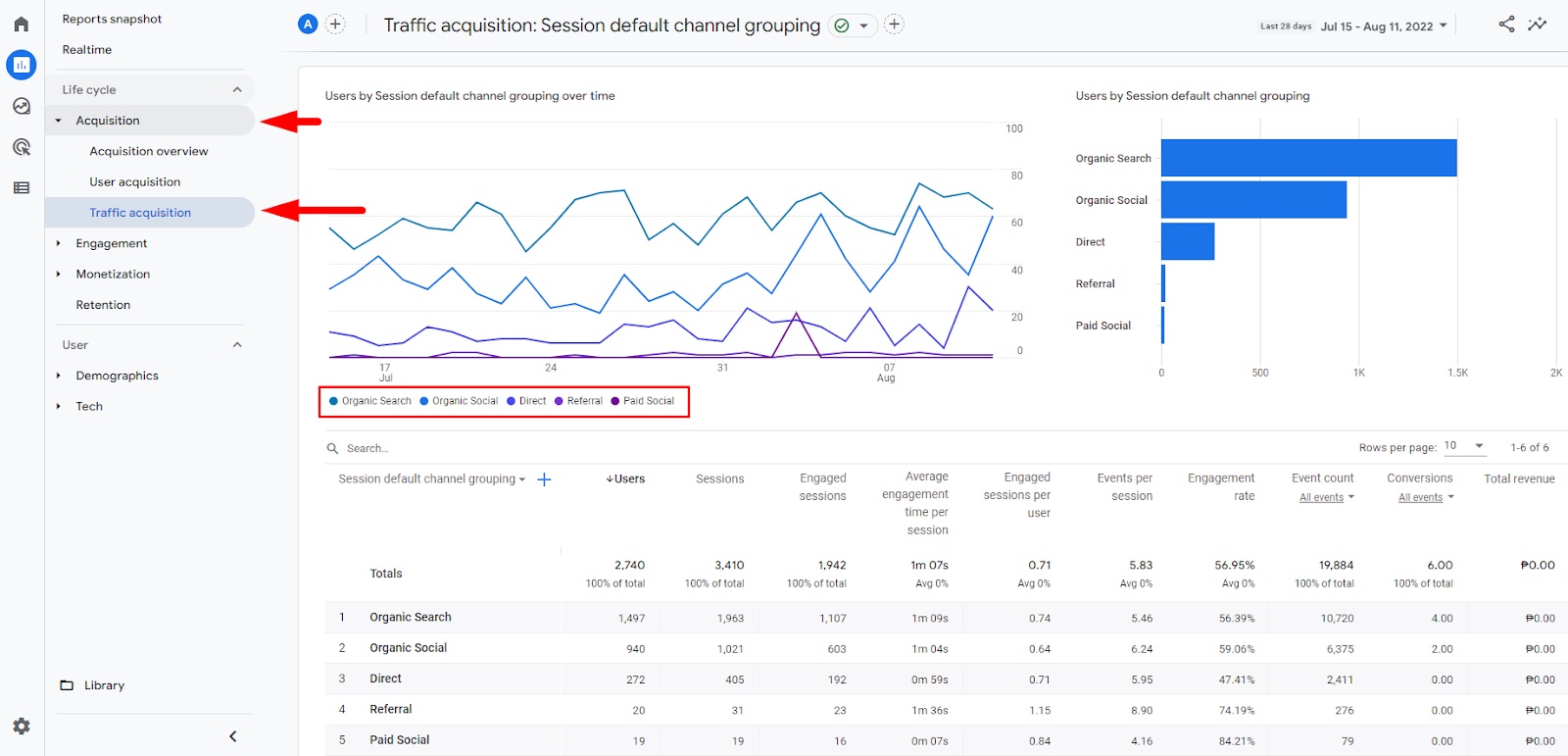
Google processes over 8.5 billion searches every single day. A meaningful chunk of those are people looking for a product, a service, or a solution, right now, with intent to buy.
Search engine optimisation (SEO) is the discipline of making sure your website shows up when those searches happen. Without a website, you simply don't exist in that world. You cannot rank for keywords, appear in Google Maps results, or capture the customer who typed "ERP software for manufacturing in Delhi" or "best web development company near me."
Think about this for a moment.
If your competitor has a website and you don't, every single Google search in your niche sends traffic their way. You're not just invisible, you're actively handing leads to someone else.
A professionally built, SEO-optimised website turns Google into your best salesperson. Every blog post, service page and case study you publish becomes a piece of content that can attract organic traffic for months, sometimes years, after it's written.
A website builds credibility that social media can't
You might be thinking: "But I have an Instagram page. I have a Facebook profile. Isn't that enough?" It isn't, and here's why.
Social media profiles are spaces you rent. The platform owns the relationship. If a platform shuts down tomorrow, your 10,000 followers disappear overnight. You have no email list, no owned audience, no anchor. Social media is for discovery; a website is for trust.
| Feature | Professional Website | Social Media Profile |
|---|---|---|
| You own it completely | Yes | No, platform owns it |
| Appears on Google | Yes | Limited |
| Custom domain & branding | Fully customisable | Template-constrained |
| Case studies & portfolios | Yes | Very limited |
| Contact forms & lead capture | Yes | Basic at best |
| Works without an algorithm | Yes | Algorithm-dependent |
When a potential client is deciding between two companies, they will visit both websites. The business with a cleaner, more professional, more informative website wins, almost every time.
Your website works 24/7, your sales team doesn't
Your office closes at 7pm. Your website doesn't.
At 11:30 on a Tuesday night, a manufacturing company owner in Jaipur is frustrated with his current ERP system. He searches, he reads, he lands on a well-written blog post, he browses your services page, he fills out a contact form. By the time you arrive at work Wednesday morning, there's a qualified lead waiting in your inbox.
That is the power of a website. It is a salesperson who never sleeps, never asks for a salary, and never has a bad day.
- Answers common customer questions without a single phone call
- Showcases your portfolio and case studies at any hour
- Captures leads through forms, chatbots and call-to-actions
- Displays pricing, services and contact details instantly
- Builds familiarity before a single conversation takes place
Your competitors already have one
In almost every industry today, if your competitor has a well-made website and you don't, you are not competing on a level playing field. You're bringing a notepad to a technology conference.
The businesses that invested in professional websites early are now reaping the benefits of years of SEO authority, customer reviews and an established online presence. Every month you delay is a month of compound advantage you're handing to them.
“The best time to build your website was two years ago. The second best time is today.”
What a professional website should actually do
Here's where most businesses go wrong. They think a website is a brochure, a digital pamphlet that says "we exist, here's our phone number." A professional website in 2026 should do far more than that.
It should convert visitors into leads
Every page should have a clear purpose, whether that's getting someone to fill a form, call a number, or download a resource. A website without clear calls-to-action is like a shop with no checkout counter.
It should load in under 3 seconds
Google's research shows that 53% of mobile visitors abandon a page if it takes more than 3 seconds to load. Speed is not a technical luxury, it is a business requirement.
It should work perfectly on mobile
As of 2026, over 63% of global web traffic comes from mobile devices. If your website looks broken on a phone, you're broken to the majority of your audience.

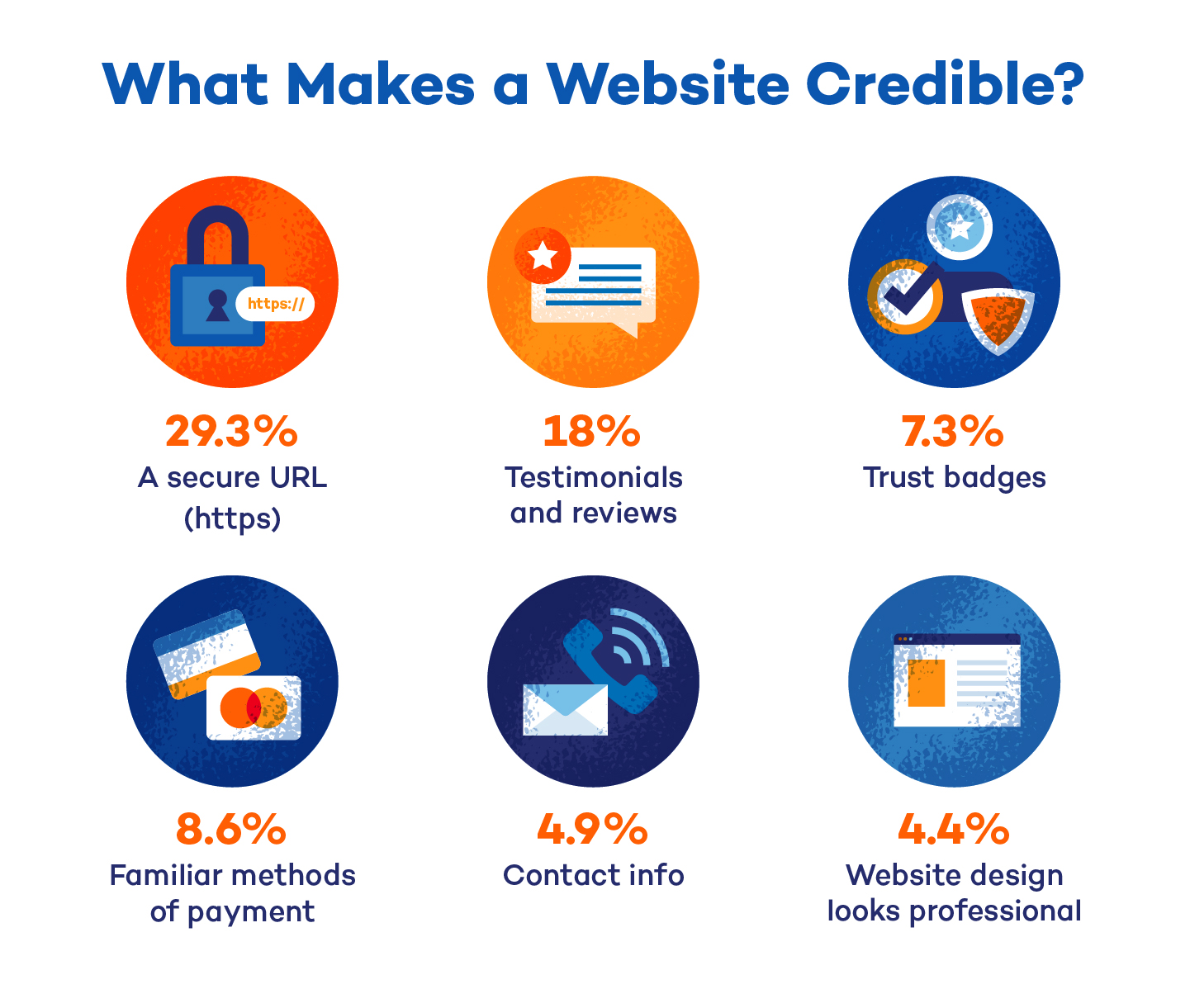
It should communicate trust signals
Client testimonials, case studies, certifications, team photos and a physical address signal that there are real, accountable people behind the website. They matter enormously for conversion.

It should be built for SEO from day one
Proper heading structure, fast load times, relevant keywords, meta descriptions and internal linking are not afterthoughts. They are foundations. Getting them right from the start saves significant time and money later.
What does a website cost in 2026?
This is the question most business owners have in the back of their minds. The honest answer is: it depends on what you need. Here is a rough guide.
| Website Type | Typical Use Case | Approx. Cost Range |
|---|---|---|
| Simple informational site (3–5 pages) | Local business, freelancer, startup | ₹25,000 – ₹60,000 |
| Business website with blog & SEO | Growing company, B2B services | ₹60,000 – ₹1,50,000 |
| E-commerce website | Online store with product catalogue | ₹1,00,000 – ₹3,00,000+ |
| Custom web application | ERP, CRM, SaaS, portals | ₹2,00,000 – ₹10,00,000+ |
The more important question isn't what a website costs, it's what not having one costs. If one new client is worth ₹50,000 to your business and a good website brings in two clients per month, the maths speaks for itself.
Pro tip from Vegavat:
Don't start with the cheapest option hoping to "upgrade later." A poorly built foundation is expensive to fix. Invest in quality once and build on top of it.
Frequently Asked Questions
Isn't a Facebook page good enough for a small business?
For discovery, maybe. For credibility, no. A Facebook page tells people you exist; a website tells them you're serious. You also don't own your Facebook audience, the platform does. A website gives you full control over your brand and your customer relationships.
How long does it take to build a professional website?
A simple business website typically takes 3 to 6 weeks with an experienced agency. A custom web application or e-commerce platform can take 2 to 6 months depending on complexity. A clear brief and quick content approvals from your side speed this up significantly.
Do I need to know how to code to manage my website?
No. Most professional websites today are built on content management systems like WordPress or custom admin panels that let you update text, images and blog posts without touching any code. A good agency will train you and hand over control.
What's the difference between a website and a web application?
A website is primarily informational, it tells people about your business. A web application has interactive functionality, like an ERP system, a customer portal, or an e-commerce platform where users log in, take actions and see personalised data.
How do I make sure my website appears on Google?
Search visibility comes from SEO: proper site structure, fast loading, relevant content and consistent publishing. A professional website built with SEO in mind starts appearing in search results within weeks, and ongoing blogging and link-building accelerate this over time.
Conclusion
In 2026, a professional website isn't optional, it's the foundation of your business's credibility, visibility and growth. It's where your customers go to decide whether to trust you. It's the only marketing asset you truly own, and it works for you around the clock, seven days a week.
The businesses that treat their website as a living, evolving tool, not a set-it-and-forget-it brochure, are the ones consistently winning new customers while their competitors wonder why the phone stopped ringing.
If you don't have a professional website yet, or if your current one is outdated, slow, or embarrassing to show potential clients, now is the time to change that. Not next quarter. Now.
Leave a Reply
Your email address will not be published. Required fields are marked *